

Monstera Deliciosa Care Guide.
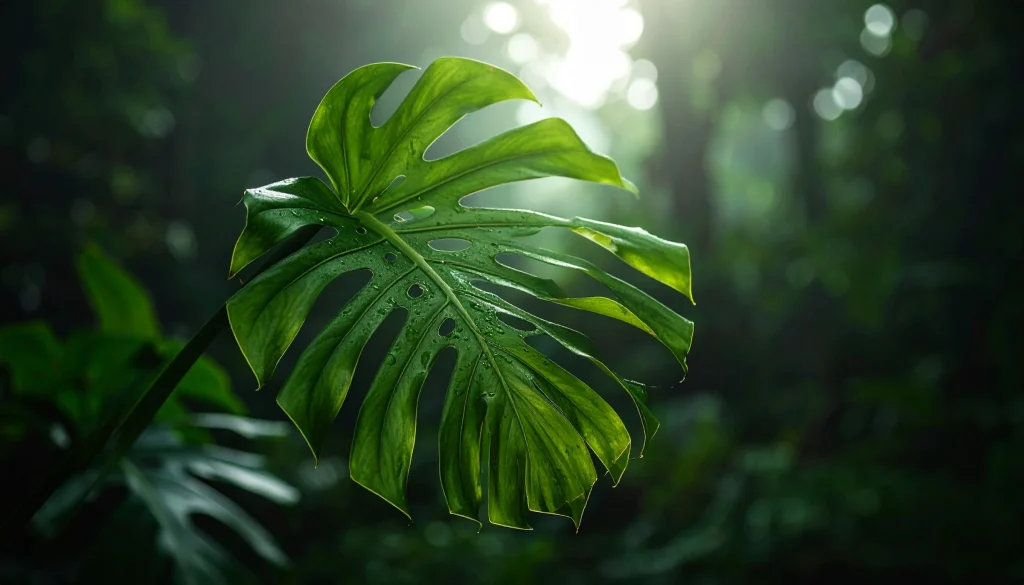
The Monstera deliciosa, commonly known as the Swiss cheese plant or split-leaf philodendron, is one of the most popular and recognizable houseplants in the world. Native to the tropical rainforests of Central and South America, this stunning plant is beloved for its large, glossy, deep-green leaves that develop dramatic natural holes and splits as they mature. With the right conditions, a Monstera can grow into an impressive, statement-making specimen that brings a lush, tropical feel to any space.
Light
Monstera deliciosa thrives in bright, indirect light. In its natural habitat it grows beneath the rainforest canopy, so it is accustomed to filtered sunlight rather than harsh, direct rays. Indoors, a spot near an east- or north-facing window, or a few feet back from a south- or west-facing window, is ideal. The plant will tolerate lower light levels, but growth will slow considerably and the iconic leaf fenestrations (holes and splits) may not develop as fully. Avoid placing your Monstera in direct afternoon sun, as this can scorch the leaves and cause them to fade or turn yellow.
Watering
Water your Monstera thoroughly, then allow the top 1–2 inches of soil to dry out before watering again. Overwatering is the most common cause of problems with this plant, leading to root rot and yellowing leaves. During the growing season (spring and summer), you may need to water once every one to two weeks; in autumn and winter, reduce watering frequency as growth slows. Always check the soil moisture before watering rather than following a strict schedule. Ensure the pot has adequate drainage holes so excess water can escape freely.
Soil
A well-draining, airy potting mix is essential for Monstera deliciosa. A high-quality indoor potting mix combined with perlite or orchid bark works well, as it retains some moisture while still allowing excess water to drain and air to reach the roots. Avoid dense, compacted soils that stay soggy, as these promote root rot. A slightly acidic to neutral pH of around 5.5–7.0 is ideal.
Humidity & Temperature
As a tropical plant, Monstera deliciosa appreciates warm temperatures and moderate to high humidity. It grows best in temperatures between 65°F and 85°F (18°C–29°C) and should be kept away from cold drafts, air conditioning vents, and radiators. Aim for humidity levels of 50–60% or higher. If your home is dry, especially in winter, you can boost humidity by misting the leaves occasionally, placing the pot on a pebble tray filled with water, or using a humidifier nearby. Avoid temperatures below 55°F (13°C), as cold conditions will stunt growth and may damage the foliage.
Fertilizing
Feed your Monstera with a balanced, liquid fertilizer (such as a 20-20-20 formula) diluted to half strength, once a month during the growing season (spring through early autumn). Avoid fertilizing in winter when the plant is not actively growing, as excess nutrients can build up in the soil and cause fertilizer burn. Always water the plant before fertilizing to avoid applying fertilizer to dry roots.
Repotting
Repot your Monstera every one to two years, or when you see roots emerging from the drainage holes or circling the top of the soil. Choose a new pot that is only one to two inches larger in diameter than the current one — too large a pot can hold excess moisture and increase the risk of root rot. Spring is the best time to repot, as the plant is entering its active growing period. Fresh potting mix at repotting time gives the plant a nutrient boost and improves drainage.
Pruning & Support
Monstera deliciosa is a natural climber and will benefit greatly from a moss pole, trellis, or stake as it grows. Providing support encourages the plant to produce larger, more fenestrated leaves and helps it grow upright rather than sprawling. Prune any yellowed, damaged, or leggy stems with clean, sharp scissors or pruning shears. Regular pruning helps maintain the plant’s shape and encourages bushier, more vigorous growth. Wear gloves when pruning, as the sap can cause skin irritation.
Common Problems
Yellow leaves are most often caused by overwatering or poor drainage. Check the soil moisture and reduce watering frequency if needed. Brown, crispy leaf edges typically indicate low humidity or underwatering. Leggy growth with small leaves usually means the plant is not receiving enough light. Pests such as spider mites, mealybugs, and scale can occasionally affect Monsteras — inspect the foliage regularly and treat any infestations promptly with neem oil or insecticidal soap. Root rot is caused by consistently waterlogged soil; if caught early, the plant can be saved by removing affected roots and repotting in fresh, well-draining mix.
Toxicity
Monstera deliciosa is toxic to both pets and humans if ingested. The plant contains calcium oxalate crystals, which can cause oral irritation, excessive drooling, vomiting, and difficulty swallowing. Keep this plant out of reach of cats, dogs, and young children, and wash your hands after handling the leaves or stems.
Care Guide Discussion
I encourage all constructive feedback on my care guides. Feel free to start a discussion or leave a correction you may have found.
No comments yet. Be the first to join the discussion!
Quick Care Guide
- Plant FamilyPiperaceae
- OriginTropical South America
- Mature Size6–12 inches
- LightBright Indirect
- WaterAllow top inch to dry
- HumidityModerate (40–60%)
- Temperature65–80°F
- ToxicityNon-Toxic
- Care LevelBeginner
Shop This Care Guide
Author

Leave a Comment