

Stephania Cepharantha (Lucky Turtle) Care Guide.
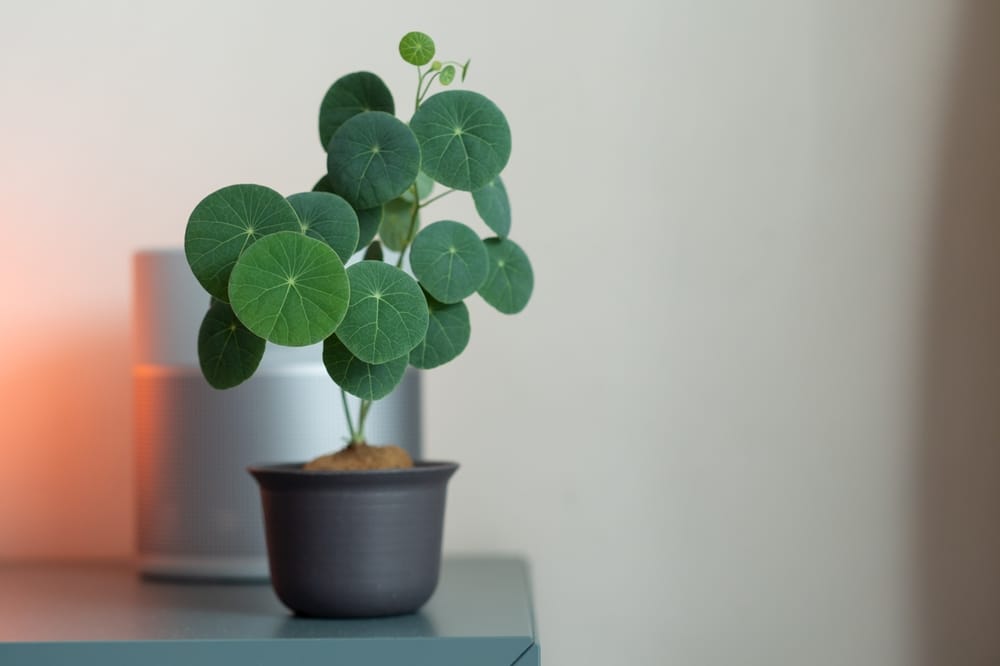
Stephania cepharantha — affectionately known as the “Lucky Turtle” — is a rare and captivating caudex plant native to the subtropical and tropical regions of Asia, including China, Japan, and Southeast Asia. Its most distinctive feature is the smooth, rounded caudex (tuberous base) that resembles a turtle shell, growing larger and more sculptural each year. From this base, delicate vines emerge each spring adorned with heart-shaped, peltate leaves. Stephania cepharantha is a deciduous grower, entering a natural dormancy period in winter before rewarding you with a burst of fresh growth come spring.
Light
Stephania cepharantha thrives in bright indirect light with a few hours of gentle direct morning sun. Place it near an east- or south-facing window where it receives several hours of bright ambient light daily. Strong midday or afternoon direct sun can scorch the delicate leaves, but too little light will result in weak, spindly vines and a slow-growing caudex. During the active growing season (spring and summer), maximizing light exposure encourages the most vigorous vine growth and caudex development. Under artificial lighting, high-output grow lights on a 14–16 hour cycle work well.
Watering
Watering is where most growers run into trouble with Stephania. During the active growing season, water thoroughly when the top 1–2 inches of soil have dried out, allowing excess water to drain freely. The caudex stores water and nutrients, so the plant is highly drought-tolerant — it is far better to underwater than to overwater. As temperatures cool in autumn and the vines begin to yellow and drop, gradually reduce watering. Once the plant enters full dormancy (bare caudex, no active growth), stop watering almost entirely. A very light misting every 3–4 weeks is sufficient during dormancy to prevent the caudex from shriveling. Resume regular watering only when new growth emerges in spring.
Humidity
Stephania cepharantha is adaptable when it comes to humidity and does well in average household humidity levels of 40–60%. Unlike many tropical aroids, it does not require a humid microclimate. During the growing season, slightly higher humidity (50–60%) can encourage lusher vine growth, but it is not essential. Avoid placing the plant near heating vents or air conditioners that create excessively dry conditions, especially during active growth. During dormancy, ambient indoor humidity is perfectly fine.
Temperature
Keep Stephania cepharantha in temperatures between 60–85°F (15–29°C) during the growing season. It is cold-sensitive and should never be exposed to temperatures below 50°F (10°C), which can damage or kill the caudex. The natural shortening of days and cooling temperatures in autumn act as the trigger for dormancy — this is completely normal and healthy. During dormancy, room temperature is fine, but protect the caudex from any cold drafts or frost. Do not attempt to keep the plant “awake” through winter by providing heat and light; allowing it to rest produces a stronger, more vigorous plant the following spring.
Soil
A fast-draining, well-aerated mix is essential for Stephania. Use a chunky mix of approximately 50% coarse perlite or pumice, 30% quality potting soil or coco coir, and 20% bark or coarse sand. The goal is a mix that drains immediately and never stays wet for long. Standard potting mixes that retain moisture are too heavy for this plant and invite root and caudex rot. Terracotta pots are highly recommended as they wick excess moisture away from the root zone, further reducing the risk of rot.
Fertilizing
Fertilize lightly during the active growing season (spring through early fall) with a balanced, diluted liquid fertilizer at half strength every 3–4 weeks. A fertilizer higher in potassium (the third number on the label) can help support healthy caudex development. Do not fertilize during dormancy. Over-fertilizing can cause excessive leafy growth at the expense of caudex development and may burn the roots — less is more with this plant.
Repotting
Repot Stephania cepharantha in early spring, just as new growth is beginning to emerge from the caudex. Choose a pot only slightly larger than the caudex itself — too large a pot holds excess moisture and increases rot risk. Many growers prefer a shallow, wide pot or even a bonsai-style dish to showcase the caudex. When repotting, inspect the roots for any signs of rot and trim as needed. The caudex can be positioned partially above the soil line to show off its sculptural form and to improve airflow around the base.
Dormancy
Dormancy is one of the most unique and rewarding aspects of growing Stephania. As daylight shortens in late autumn, the vines will naturally yellow and die back — this is not a sign that the plant is dying; it is a healthy, predictable rest period. Once the vines have dropped, move the caudex to a slightly cooler spot (60–65°F) out of direct sun and reduce watering to almost nothing. The caudex will sit dormant through winter. In late winter or early spring, you will notice small buds forming on the caudex — this is your signal to move it back to bright light and resume watering. The first new vines emerging from a dormant caudex are one of the most satisfying sights in plant keeping.
Toxicity
Stephania cepharantha contains alkaloids (including cepharanthine) in its caudex and roots, and should be considered toxic if ingested. Keep it out of reach of children and pets. While it has a long history of traditional medicinal use in parts of Asia, the raw plant material should not be consumed. Contact with sap is generally harmless but wash your hands after handling as a precaution.
Care Guide Discussion
I encourage all constructive feedback on my care guides. Feel free to start a discussion or leave a correction you may have found.
No comments yet. Be the first to join the discussion!

Leave a Comment