
Scindapsus (Treubii & Rare Varieties) Care Guide.
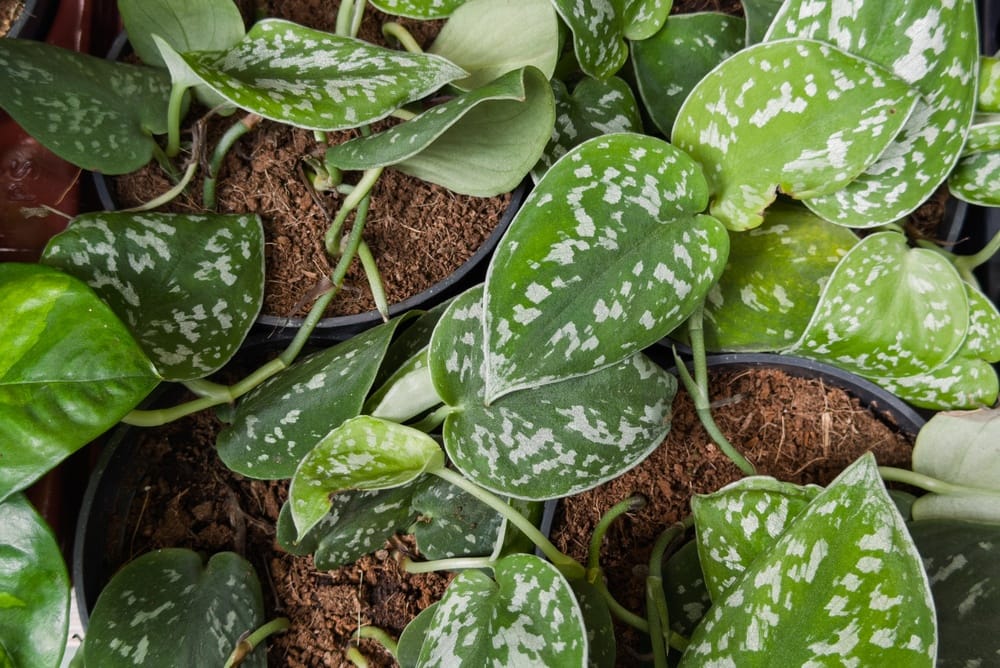
Scindapsus is a genus of climbing aroids native to tropical Southeast Asia, closely related to Epipremnum (Pothos) but with thicker, more substantial leaves and a distinctly collector-grade appeal. The treubii species, in its Moonlight, Albo, and Aurea forms, along with the rare Unicorn variety, represent some of the most sought-after foliage plants in the current collector market. Despite their rare status, they are not particularly difficult to grow — just deliberate.
Light
Bright indirect light is ideal for all collector Scindapsus forms. Variegated varieties (Albo, Aurea, Unicorn) are especially dependent on adequate light — the variegated sections lack chlorophyll, putting higher photosynthetic demand on the green areas. Avoid direct sun, which scorches the thick leaves, and avoid low light, which causes slow, leggy growth with reduced variegation intensity.
Watering
Scindapsus are more drought-tolerant than most aroids — allow the top 1–2 inches of soil to dry before watering. Their thick leaves store moisture, and overwatering is the most common cause of decline. During winter, extend the interval between waterings further. Always use a pot with drainage holes.
Soil & Potting
A chunky, well-draining aroid mix is ideal — bark, perlite, and coco coir in roughly equal parts. Scindapsus do fine slightly root-bound; repot only when roots are clearly escaping the drainage holes. Providing a moss pole encourages climbing and significantly larger, more mature-looking leaves.
Humidity
Moderate humidity (40–60%) is sufficient for all Scindapsus forms, making them more adaptable to typical indoor environments than many other collector aroids. Higher humidity (60%+) promotes faster growth and is especially beneficial for heavily variegated forms like Albo and Unicorn.
Temperature
65–85°F is the ideal range. Scindapsus are cold-sensitive — avoid temperatures below 55°F and protect from cold drafts near windows or air conditioning vents.
Fertilizing
Feed monthly during the growing season with a balanced liquid fertilizer diluted to half strength. Reduce feeding in fall and withhold in winter unless the plant is actively growing under artificial lighting.
Variegation Notes
Heavily variegated forms like the Albo and Unicorn are slow growers because large portions of their leaves cannot photosynthesize. This is normal — do not mistake slow growth for ill health. The trade-off is extraordinary beauty. Ensure consistent bright indirect light to support these plants at their best.
Toxicity
Toxic to pets and humans if ingested. Contains calcium oxalate crystals.
Care Guide Discussion
I encourage all constructive feedback on my care guides. Feel free to start a discussion or leave a correction you may have found.
No comments yet. Be the first to join the discussion!
Quick Care Guide
- Plant FamilyPiperaceae
- OriginTropical South America
- Mature Size6–12 inches
- LightBright Indirect
- WaterAllow top inch to dry
- HumidityModerate (40–60%)
- Temperature65–80°F
- ToxicityNon-Toxic
- Care LevelBeginner
Shop This Care Guide
Author

Leave a Comment