
Hoya Compacta Care Guide.
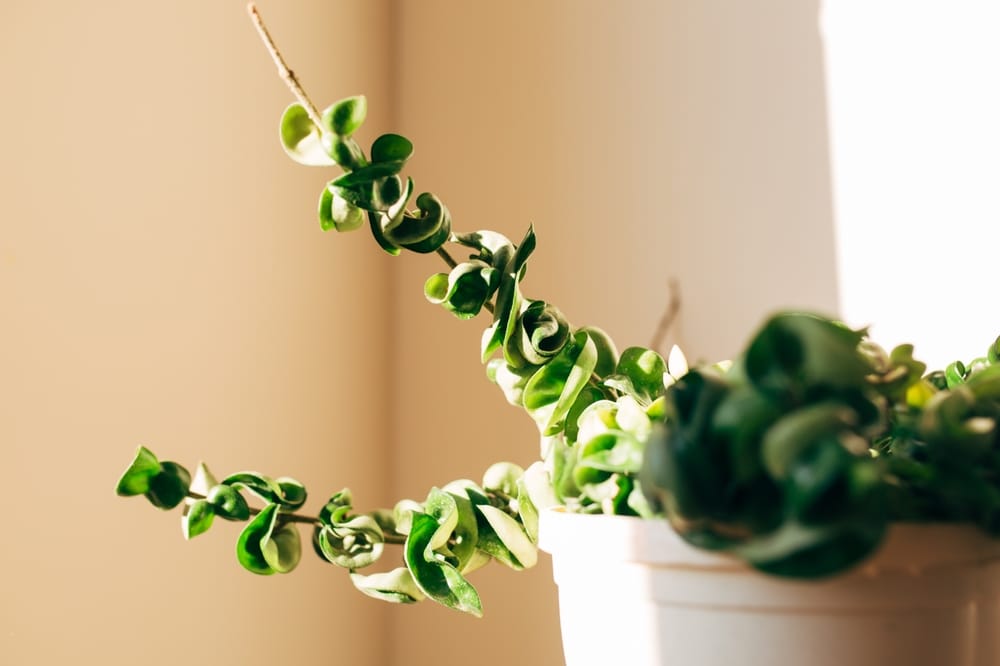
The Hoya compacta, commonly known as the Hindu Rope Plant or Krinkle Kurl, is a distinctive and highly sought-after succulent vine native to eastern Asia and Australia. Its most striking feature is its tightly curled, waxy leaves that cluster along trailing vines, giving it the appearance of a twisted rope. A slow-growing but rewarding plant, the Hoya compacta is beloved for its unusual texture, low maintenance requirements, and the clusters of fragrant, star-shaped flowers it produces when mature. With the right care, this unique plant can thrive for decades and become a striking focal point in any home.
Light
Hoya compacta thrives in bright, indirect light and does best near an east- or west-facing window where it receives several hours of filtered sunlight each day. While it can tolerate lower light levels, insufficient light will result in slower growth, fewer flowers, and the loss of variegation in variegated cultivars. Avoid placing the plant in harsh, direct afternoon sun, as intense rays can scorch the delicate waxy leaves and cause them to bleach or yellow. If natural light is limited, a grow light placed 12–18 inches above the plant and run for 12–14 hours per day can be a suitable alternative.
Watering
As a semi-succulent plant, Hoya compacta stores water in its thick, fleshy leaves and should be allowed to mostly dry out between waterings. Water thoroughly, ensuring excess drains freely from the pot, then wait until the top two-thirds of the soil feel dry before watering again. During the active growing season in spring and summer, this may mean watering every one to two weeks; in autumn and winter, reduce frequency significantly, watering only every three to four weeks or even less. Overwatering is the most common cause of decline in this plant, leading to root rot and yellowing or mushy leaves. Always check soil moisture by inserting your finger into the soil before watering, and never allow the plant to sit in standing water.
Soil
Hoya compacta requires a very well-draining, airy potting mix that mimics the loose, organic matter it encounters in its natural epiphytic habitat. A good mix consists of equal parts perlite or pumice, orchid bark, and a standard potting compost or coco coir. This combination allows water to drain quickly while retaining just enough moisture to keep the roots hydrated without becoming waterlogged. Avoid dense, moisture-retentive soils such as standard potting mixes used alone, as these can cause root rot. A slightly acidic to neutral pH of 6.0–7.0 is ideal. Ensure the pot has drainage holes to allow excess water to escape freely.
Humidity & Temperature
Hoya compacta prefers warm temperatures between 65°F and 85°F (18°C–29°C) and does not tolerate cold well. Keep it away from cold drafts, air conditioning vents, and windows that become very cold in winter. Temperatures below 50°F (10°C) can cause serious damage to the plant and should be avoided entirely. While the Hoya compacta is more tolerant of average household humidity than many tropical plants, it does appreciate moderate to slightly elevated humidity levels of 40–60%. In particularly dry homes, especially during winter months, placing the pot on a pebble tray filled with water or running a nearby humidifier can help. Avoid misting this plant directly, as water trapped within the tightly curled leaves can encourage rot and fungal issues.
Fertilizing
Feed your Hoya compacta once a month during the growing season (spring through early autumn) with a balanced, water-soluble fertilizer diluted to half strength. A fertilizer with a higher phosphorus content, such as a bloom booster formula, can be used from late spring onward to encourage flowering. Do not fertilize during the autumn and winter months when the plant is not actively growing, as this can cause fertilizer salts to build up in the soil and lead to root damage. Always water the plant before applying liquid fertilizer to avoid applying nutrients to dry roots, which can cause chemical burn.
Repotting
Hoya compacta is a slow grower and actually prefers being slightly root-bound, which can encourage blooming. Repot only every two to three years, or when roots are visibly emerging from the drainage holes or circling densely around the root ball. When repotting, choose a new pot that is only one size larger (one to two inches in diameter) than the current one — too large a pot can hold excess moisture and increase the risk of root rot. Spring is the best time to repot, just as the plant begins its active growing period. Use a fresh, well-draining potting mix at repotting time to refresh nutrients and improve drainage. Terracotta pots are a good choice as they allow the soil to dry out more evenly.
Pruning & Training
Pruning is rarely necessary for Hoya compacta, but you can trim back any dead, damaged, or excessively long vines using clean, sharp scissors or pruning shears to keep the plant looking tidy. Importantly, never remove the spent flower stalks (peduncles) after blooming has finished. Hoya compacta blooms repeatedly from the same stalks year after year, so cutting them off will eliminate future flowering sites. The trailing vines look beautiful in a hanging basket, spilling over the sides of a pot on a high shelf, or trained up a small hoop or trellis. When handling or pruning, be aware that the stems produce a milky sap that can be irritating to skin and eyes — wear gloves and wash your hands thoroughly afterward.
Blooming
One of the most rewarding aspects of caring for a Hoya compacta is the eventual appearance of its flowers. Mature plants produce clusters of small, waxy, star-shaped blooms in shades of white to pale pink, often with a deeper pink or red center. The flowers carry a sweet, honey-like fragrance that is especially noticeable in the evenings. To encourage blooming, provide bright indirect light, allow the plant to become slightly root-bound, keep it on a consistent watering schedule, and give it a cooler rest period in winter (around 55–60°F/13–16°C) with reduced watering. Patience is key — Hoya compacta may take several years before it first flowers, but once it begins, it will bloom reliably from the same peduncles each year.
Common Problems
Yellowing or mushy leaves are most commonly a sign of overwatering or poor drainage — allow the soil to dry out more thoroughly between waterings and check that the pot has adequate drainage holes. Shriveled or wrinkled leaves indicate underwatering or excessively dry conditions; water the plant thoroughly and check that the roots are healthy. Failure to bloom is usually due to insufficient light, excessive pot size, or the plant being too young — ensure it receives bright indirect light and resist the urge to repot too frequently. Mealybugs, spider mites, and aphids are the most common pests affecting Hoya compacta; inspect the plant regularly, especially within the dense curled foliage where pests like to hide, and treat any infestations with neem oil or insecticidal soap. Root rot caused by waterlogged soil can be treated by removing the plant from its pot, trimming away any blackened or soft roots, allowing the roots to air dry briefly, and repotting in fresh, well-draining mix.
Toxicity
Hoya compacta is considered non-toxic to cats, dogs, and humans, making it a safe choice for households with pets and young children. However, the milky sap produced by the stems when cut or broken can cause mild skin irritation in sensitive individuals. It is best practice to wear gloves when pruning or propagating and to wash hands thoroughly after handling the plant. As with any houseplant, ingestion of plant material in large quantities is best avoided and may still cause mild gastrointestinal discomfort.
Care Guide Discussion
I encourage all constructive feedback on my care guides. Feel free to start a discussion or leave a correction you may have found.
No comments yet. Be the first to join the discussion!
Quick Care Guide
- Plant FamilyPiperaceae
- OriginTropical South America
- Mature Size6–12 inches
- LightBright Indirect
- WaterAllow top inch to dry
- HumidityModerate (40–60%)
- Temperature65–80°F
- ToxicityNon-Toxic
- Care LevelBeginner
Shop This Care Guide
Author

Leave a Comment