
Alocasia “Frydek” Care Guide.
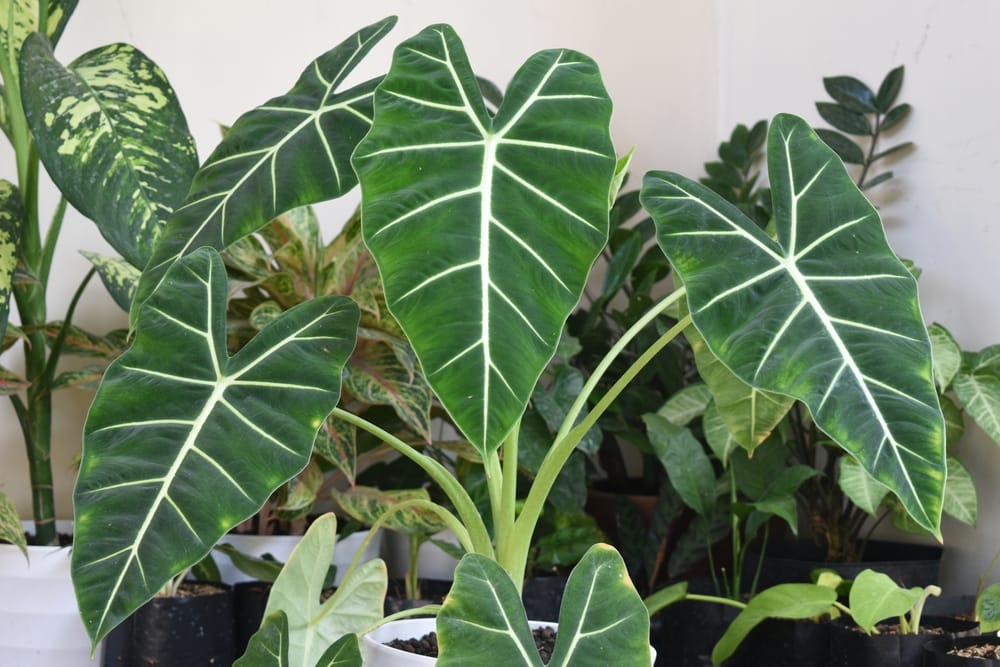
Alocasia “Frydek,” botanically known as Alocasia micholitziana ‘Frydek,’ is one of the most coveted aroids in the houseplant community, celebrated for its deep, velvety dark green leaves adorned with striking bright white veins. Originating from the tropical rainforests of the Philippines, this compact yet visually dramatic member of the Araceae family is sometimes called the Green Velvet Alocasia — a name that perfectly captures the soft, suede-like texture of its foliage. Unlike some of its larger Alocasia relatives, Frydek maintains a manageable size indoors, typically reaching two to three feet in height, making it well suited for shelves, side tables, and plant stands. Its otherworldly aesthetic and intermediate care requirements make it a prized specimen for collectors looking to graduate beyond the basics of tropical plant care.
Light
Alocasia “Frydek” thrives in bright, indirect light that replicates the filtered sunlight of the Philippine rainforest floor. A spot near an east-facing window, or a few feet back from a south- or west-facing window with a sheer curtain, provides the ideal balance of light intensity. Frydek can adapt to medium light conditions, but growth will slow significantly and the vivid contrast of its white veins may become less pronounced. Direct sunlight should be avoided entirely, as the large, dark leaves are highly prone to sunscorch, which appears as pale or bleached patches that are permanent and irreversible. In lower natural light environments, a full-spectrum LED grow light on a ten- to twelve-hour timer can successfully sustain this plant year-round and encourage it to produce new leaves at a healthy pace.
Watering
Consistent but carefully managed watering is one of the most important aspects of keeping Alocasia “Frydek” healthy. Water when the top inch of the potting mix has dried out, but never allow the soil to dry out completely, as Frydek is more sensitive to drought than many other aroids and will quickly begin to droop or drop leaves if its roots go fully dry. During the active growing season in spring and summer, this may mean watering approximately once a week, though individual schedules will vary depending on pot size, soil composition, and ambient conditions. In autumn and winter, when the plant may enter a period of dormancy and growth slows considerably, reduce watering frequency and allow the top two inches to dry before watering again. Always use room-temperature water and avoid cold water directly from the tap, as temperature shock can stress the roots. Water thoroughly until it flows freely from the drainage holes, and always discard any water that collects in saucers, as Frydek is extremely vulnerable to root rot from waterlogged conditions.
Soil
Alocasia “Frydek” demands a well-draining, airy potting mix that supports healthy root development while preventing moisture from lingering too long around the roots. A blend of high-quality potting soil, perlite, and orchid bark in roughly equal parts provides excellent aeration and drainage without drying out too quickly between waterings. Adding a small portion of horticultural charcoal to the mix can help prevent bacterial buildup and keep the root zone fresh over time. Standard potting soil used on its own is too dense and moisture-retentive for Frydek and will almost certainly lead to root rot over time. Avoid using garden soil or heavy peat-based mixes, as these compact easily and restrict the oxygen flow that healthy Alocasia roots require. A slightly acidic pH of 5.5 to 6.5 supports optimal nutrient absorption, and using a pot with ample drainage holes is non-negotiable for the long-term health of this plant.
Humidity & Temperature
Humidity is essential for keeping Alocasia “Frydek” looking its best. As a native of the humid tropics, this plant thrives when indoor humidity is maintained at 60% or higher. In typical home environments, which often hover between 30% and 50% humidity, Frydek may develop brown, crispy leaf edges and tips — a telltale sign that the air is too dry. Running a humidifier near the plant is the most effective and consistent way to raise humidity levels, and grouping Frydek with other tropical plants can provide a modest boost through collective transpiration. Misting the foliage is generally not recommended for Alocasias, as it can promote fungal diseases on the velvety leaf surface. Frydek performs best in temperatures between 65°F and 80°F (18°C to 27°C) and should never be exposed to temperatures below 60°F (15°C). Cold drafts from open windows, air conditioning vents, and heating units can all cause sudden temperature fluctuations that trigger leaf drop or stunted new growth, so placement in a stable, warm spot is critical to this plant’s success.
Fertilizing
During the active growing season from spring through early autumn, feed Alocasia “Frydek” with a balanced, water-soluble fertilizer diluted to half strength every two to four weeks. A formula with an equal NPK ratio, such as 10-10-10 or 20-20-20, provides the well-rounded nutrition Frydek needs to support vigorous leaf production and strong root development. Fertilizers formulated specifically for aroids or tropical foliage plants are also an excellent choice and are less likely to cause salt buildup in the soil. Avoid over-fertilizing, as excess nutrients accumulate in the potting mix and can burn the roots, manifesting as brown leaf tips and edges that can be easily mistaken for humidity stress. Never apply fertilizer to dry soil — always water the plant first to protect the roots from concentrated nutrient contact. In autumn and winter, suspend feeding entirely and allow the plant to rest, as fertilizing a dormant or slow-growing plant can cause more harm than good.
Repotting
Repot Alocasia “Frydek” every one to two years, or when you notice roots beginning to emerge from the drainage holes or circle densely within the pot. Spring is the best time to repot, as the plant is entering its growth phase and will recover quickly from the disruption. When choosing a new container, select one that is only one to two inches larger in diameter than the current pot — going too large at once will leave excess soil retaining moisture around the roots, significantly increasing the risk of rot. Use a fresh, well-draining aroid mix when repotting to replenish nutrients and restore porosity to the growing medium. During repotting, take the opportunity to inspect the roots carefully, removing any soft, brown, or mushy roots with clean, sterilized scissors before placing the plant in its new container. Frydek may go through a brief period of leaf drop or shock after repotting, which is normal — maintain its usual care routine and it will typically settle in and resume growth within a few weeks.
Pruning & Maintenance
Alocasia “Frydek” requires relatively minimal pruning, but regular maintenance is key to keeping the plant tidy and healthy. Remove any yellowed, damaged, or dying leaves promptly by cutting them cleanly at the base of the petiole with sharp, sterilized scissors or pruning shears. This not only improves the plant’s appearance but also redirects its energy toward producing new, healthy foliage. It is completely normal for older, lower leaves to yellow and drop over time as the plant matures and focuses its resources on new growth — this is not necessarily a sign of poor health. Gently wiping the large, velvety leaves with a barely damp cloth every few weeks helps remove dust accumulation that can block light absorption, though take care not to scrub the delicate surface. Frydek does not require a support structure such as a moss pole and grows as an upright, clumping plant with multiple stems emerging from a central rhizome. Always wash your hands or wear gloves after handling any part of the plant, as its sap contains calcium oxalate crystals that can irritate skin and mucous membranes.
Common Problems
Yellowing leaves are among the most common issues with Alocasia “Frydek” and can result from overwatering, underwatering, low humidity, nutrient deficiency, or simply the natural shedding of older foliage. Evaluate your watering routine and environmental conditions to identify the most likely cause. Brown, crispy leaf edges and tips are almost always linked to insufficient humidity or inconsistent watering; increase ambient moisture levels with a humidifier and review your watering schedule. Leaf drop is particularly common in Frydek and can be triggered by repotting, a sudden change in environment, cold drafts, or seasonal dormancy in autumn and winter — in most cases, the plant will recover once conditions stabilize. Spider mites are a frequent pest on Alocasias, thriving in hot, dry indoor conditions; inspect the undersides of leaves regularly for fine webbing and treat infestations promptly with neem oil or insecticidal soap. Mealybugs, thrips, and scale insects can also occasionally appear and should be treated at the first sign of infestation before they spread to neighboring plants. Root rot, caused by consistently waterlogged soil, is the most serious threat to this plant; if detected early, it can often be remedied by trimming affected roots and repotting in fresh, dry, well-draining mix.
Toxicity
Alocasia “Frydek” is toxic to both pets and humans due to the presence of insoluble calcium oxalate crystals throughout all parts of the plant, including the leaves, stems, and roots. If ingested, these crystals can cause intense oral irritation, burning sensations in the mouth and throat, excessive drooling, difficulty swallowing, nausea, and vomiting. In pets — particularly cats and dogs — symptoms can range from mild oral discomfort to more significant gastrointestinal distress. Keep this plant well out of reach of children, cats, dogs, and any other animals that may be tempted to chew on its foliage. Always wash your hands thoroughly after handling the plant, and wear gloves when repotting or pruning to prevent skin irritation from contact with the sap. If ingestion is suspected in a child or pet, contact a medical professional or poison control center immediately.
Care Guide Discussion
I encourage all constructive feedback on my care guides. Feel free to start a discussion or leave a correction you may have found.
No comments yet. Be the first to join the discussion!
Quick Care Guide
- Plant FamilyPiperaceae
- OriginTropical South America
- Mature Size6–12 inches
- LightBright Indirect
- WaterAllow top inch to dry
- HumidityModerate (40–60%)
- Temperature65–80°F
- ToxicityNon-Toxic
- Care LevelBeginner
Shop This Care Guide
Author

Leave a Comment