

Rhaphidophora (Tetrasperma & Relatives) Care Guide.
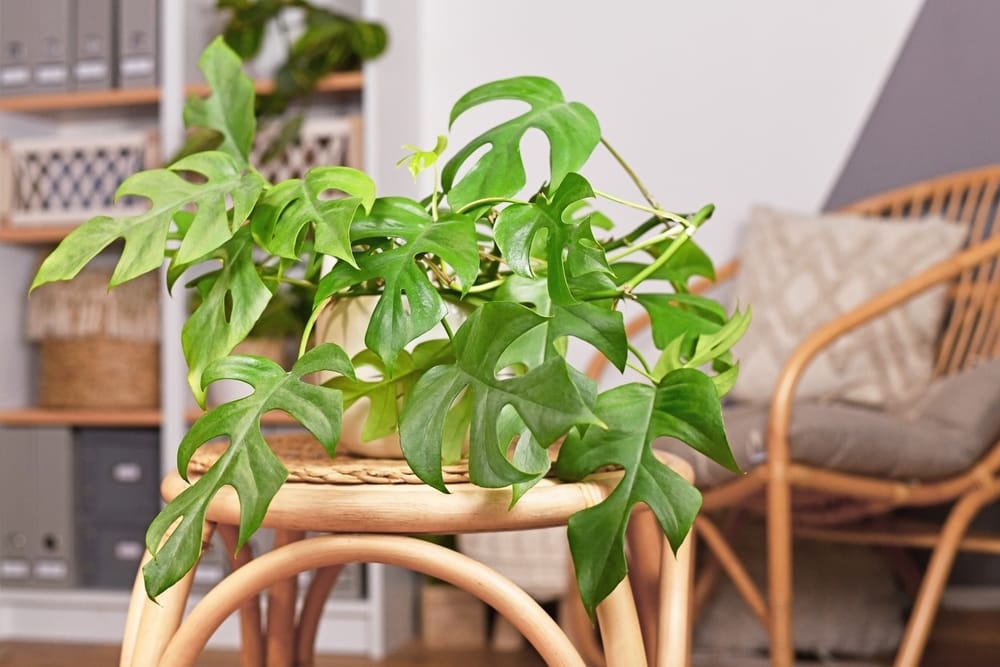
Rhaphidophora tetrasperma — sometimes called the “Mini Monstera” or “Ginny Philodendron” — is neither a Monstera nor a Philodendron, but an equally beautiful member of the Araceae family native to southern Thailand and Malaysia. It produces fenestrated, split leaves on fast-climbing vines, making it one of the most rewarding aroids to grow on a pole. The variegated form adds marbled white or cream variegation to the already-attractive foliage.
Light
Bright indirect light produces the best growth and the most developed fenestrations. Variegated forms in particular need strong indirect light — the white sections have no chlorophyll, placing more demand on the green portions to support the plant. Low light results in smaller, less fenestrated leaves and slow growth. A grow light is an excellent supplement in darker spaces.
Watering
Allow the top inch of soil to dry before watering thoroughly. Rhaphidophora tetrasperma grows quickly when conditions are right, so during the growing season it may need water more frequently than slower aroids. Ensure the pot has drainage — this plant does not tolerate sitting in water.
Soil & Potting
A well-draining aroid mix with bark, perlite, and coco coir works well. As a fast grower, it may need repotting annually in spring. Provide a moss pole, coir totem, or trellis — climbing dramatically improves leaf size and fenestration in mature plants.
Humidity
Moderate humidity (40–60%) is sufficient for the standard form, though higher humidity (60%+) encourages faster growth. The variegated form benefits from slightly higher humidity to support the metabolically demanding variegated sections.
Temperature
Keep between 65–85°F. Protect from drafts and temperatures below 55°F, which will stall growth or cause cold damage to the leaves.
Fertilizing
Feed monthly during spring and summer with a balanced liquid fertilizer at half strength. Reduce to every 6–8 weeks in fall, and withhold in winter unless actively growing under supplemental lighting.
Toxicity
Contains calcium oxalate crystals. Toxic to pets and humans if ingested. Keep out of reach of children and animals.
Care Guide Discussion
I encourage all constructive feedback on my care guides. Feel free to start a discussion or leave a correction you may have found.
No comments yet. Be the first to join the discussion!
Quick Care Guide
- Plant FamilyPiperaceae
- OriginTropical South America
- Mature Size6–12 inches
- LightBright Indirect
- WaterAllow top inch to dry
- HumidityModerate (40–60%)
- Temperature65–80°F
- ToxicityNon-Toxic
- Care LevelBeginner
Shop This Care Guide
Author

Leave a Comment